When you buy through links on our articles, Future and its syndication partners may earn a commission.

If you're hoping for a festive skywatching surprise, Christmas week is shaping up to be more active than usual in space. Fast solar wind from a large coronal hole on the sun has already triggered minor (G1) geomagnetic storms and forecasters say unsettled conditions could persist into Christmas.
While this isn't likely to be a major aurora event, conditions are more unsettled than background levels, raising the odds for festive auroras, especially at high latitudes. The best chances will be limited to high-latitude regions, including Alaska, northern Canada, Scandinavia, and far northern Scotland.
Behind the unsettled conditions is a stream of unusually fast solar wind flowing from a large coronal hole on the sun. According to NOAA's Space Weather Prediction Center, solar wind speeds peaked near 500 miles (800 kilometers) per second earlier this week and are now averaging around 430 miles (700 km) per second, still about twice as fast as typical background solar wind — helping to drive the recent G1 geomagnetic storms.
These enhanced solar wind conditions are forecast to persist through Dec. 24-25, keeping geomagnetic activity elevated through Christmas Eve into Christmas Day. While storm levels may ease off slightly, there is a possibility of periods of active geomagnetic conditions according to space weather forecasters at NOAA and the U.K. Met Office.
There is also a possible wildcard at play.
According to NOAA, a coronal mass ejection (CME) that left the sun on Dec. 20 could pass close to Earth on Dec. 24, potentially striking our planet with a glancing blow. While no clearly Earth-directed CME has been observed, even a near-miss could briefly enhance aurora activity by disrupting the already disturbed solar wind environment around Earth.
Any aurora enhancement is likely to be limited to high latitudes; for the U.S., this means northern states such as Alaska, Washington, North Dakota and Minnesota. Elsewhere, elevated geomagnetic conditions could see auroras dance for skywatchers in northern Canada, Greenland and parts of Scandinavia.

To keep informed about when and if you can expect to catch a glimpse of the northern lights from where you live, we recommend downloading a space weather app that provides aurora forecasts based on your location. One option I use is "My Aurora Forecast & Alerts," available for both iOS and Android. However, any similar app should work well.
I also use the "Space Weather Live" app, which is available on iOS and Android, to get a deeper understanding of whether the current space weather conditions are favorable for aurora sightings. Want to capture the perfect photo? Our how to photograph auroras guide can help.
LATEST POSTS
- 1
 The Most Notable Design Brands of the 21st Hundred years
 - 2Investigate Something else for Less: Financial plan Travel Objections
- 3Crypto Investor’s Family Tied Up and Beaten by Armed Gangs in Their Home
- 4Chinese mega embassy could bring security advantages, says No 10
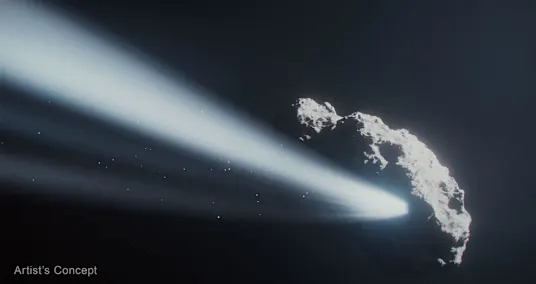
- 5In a first, scientists observe a comet reversing its spin



- The Secret Side of Italy: 12 Underrated Destinations Locals Don’t Want Tourists to Find
- Virtual Domains d: A Survey of \Inundation and Ongoing interaction Mechanics\ Computer game
- Discovery of ancient pleasure boat reveals Egypt's maritime history
- What we know about Renee Nicole Good, the woman who was killed by an ICE officer in Minneapolis
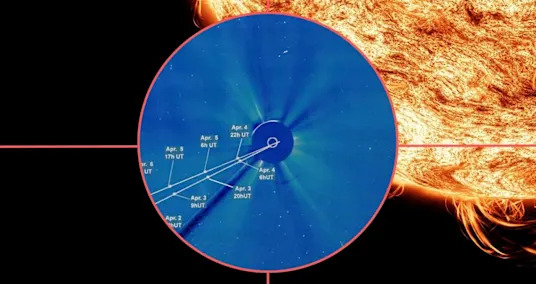
- Comet MAPS faces a make-or-break moment as it dives toward the sun on April 4 — could it shine in the daytime sky?
- What's Your Number one Superhuman Film Made?
- Golden satellite insulation sparkles during test | Space photo of the day for Dec. 30, 2025
- What did the gov’t approve for Israel’s 2026 state budget?
- The beauty advent calendar boom is here. Sephora kids are all in.