A new influenza strain this flu season is raising concerns as Americans hit the roads and take to the skies ahead of the Thanksgiving holiday, with fewer people choosing to get vaccinated.
What is the new flu strain subclade K?
The new flu strain, called subclade K, is a variant of the H3N2 virus that has been circulating since the summer in other countries.
Experts point to the new variant as a main driver of a spike in flu cases in Canada, Japan, and the U.K. Of nearly 150 test samples that were registered as the H3 lineage, over 50% were subclade K, according to the Centers for Disease Control and Prevention.

Does the flu vaccine protect against subclade K?
Although the current flu vaccine may not be a perfect match for the new subclade K strain, the CDC and doctors say the best way to protect you and your family is to still get vaccinated.
"Vaccination [is] key," ABC News chief medical correspondent Dr. Tara Narula said on "Good Morning America" Monday. "It's not too late now. It takes about two weeks to develop antibodies that will decrease the rate of serious hospitalizations and illnesses and even death, even though it may not be a perfect match for [the current flu strain]."
What to know about COVID, flu, RSV vaccines amid respiratory virus season
International reports show that subclade K may have more severe symptoms in older adults and children, and the CDC notes that those who are most vulnerable to the flu overall include older adults over 65, children under the age of 5, anyone who is immunocompromised, pregnant people, and also people with underlying chronic conditions, such as diabetes, heart disease or lung disease.

How dangerous is the subclade K variant?
Doctors warn that flu infections aren't the same as the common cold and can increase the risk of complications such as ear infections and sinus infections, as well as more serious complications such as pneumonia, hospitalization, and even death, if left untreated or not treated early enough.
Cases of H3N2 viruses tend to cause slightly more severe symptoms than other strains such as the H1N1 virus, according to one study.
Simple ways to help prevent cold and flu
Symptoms of the subclade K flu strain
"You'll usually develop [symptoms] about one to four days after being exposed, and it feels like being hit by a truck," said Narula. "It's different from a cold, so you're going to have fever, muscle aches, headaches, chills, sore throat, cough, runny nose, stuffy nose, maybe even vomiting and diarrhea."
Last year, CDC data showed the U.S. had the most total flu-related hospitalizations in about 15 years and close to 280 pediatric deaths from the flu.
To treat influenza infections, doctors recommend staying at home if you have any flu-like symptoms and to seek medical treatment sooner than later. Doctors may prescribe antiviral medications, according to the CDC, to decrease symptoms and also lessen the risk of developing serious complications.
LATEST POSTS
- 1
 How a rare drug made from scientists' blood saves babies from botulism
 - 2Moldova says Russian drones violated airspace
- 3Fireballs and a full moon. Here’s how to see two celestial events this week
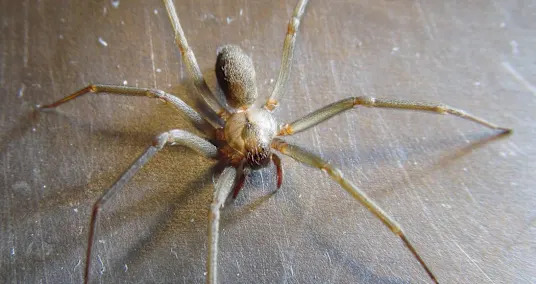
- 4How does spider venom damage human cells? Researchers uncover the killer mechanism of recluse spider toxin
- 5Figure out How to Augment Your Rooftop Substitution Speculation



- Massive supernova explosion may have created a binary black hole
- Vinicultural Investigation: A Survey of \Enjoying Fine Vintages\ Wine sampling
- Haunting Giant Squid Surfaces in Japan and Devours Its Prey (Video)
- Pick Your Favored kind of sandwich
- The most effective method to Make a Dazzling Site in 5 Basic Advances
- A Manual for Pick Viable Psychological well-being Backing Administrations In 2024
- Two reportedly killed as Israel attacks Hezbollah targets in Lebanon
- Figure out How to Streamline Your Profits in Gold Speculation
- Equality requires universal draft, participation in economy and workforce, MK Liberman says