
BERLIN (Reuters) -German pharma company Bayer reported positive study results for its anticoagulant asundexian on Sunday, two years after a research setback for the promising blood thinner candidate.
In a Phase III study, a daily dose of 50 milligrams significantly reduced the risk of ischemic stroke compared with a placebo, Bayer said.
Detailed results from the OCEANIC-STROKE study will be presented at an upcoming scientific congress, said Bayer.
Bayer added that it plans to speak with health authorities worldwide in preparation for the submission of marketing authorisation applications.
Bayer had originally predicted that asundexian would have peak sales potential of more than 5 billion euros ($5.76 billion) - more than any of its other drugs.
At the end of 2023, the company had a major setback with the drug after it failed in a pivotal clinical trial involving patients with atrial fibrillation and a risk of stroke.
($1 = 0.8687 euros)
(Reporting by Joern Poltz. Writing by Miranda Murray. Editing by Jane Merriman)
LATEST POSTS
- 1
 2025 Arctic League telethon raises more than $39k
 - 2From Overpowered to Coordinated: Individual Accounts of Cleaning up
- 3How to watch ‘The Traitors’ Season 4: Premiere date, episode release time, full cast list and more
- 4First stop, the Moon. Next stop, Mars? Why Nasa's mission matters
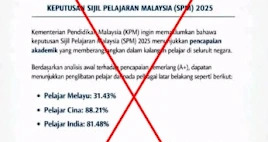
- 5Fabricated statement about Malaysian national exam top scorers stokes racial sentiment



- Selena Quintanilla documentary 'Selena y Los Dinos: A Family's Legacy' is coming to Netflix
- Popular Home Rug Series For You
- AfD faction in western Germany ousts councilman for firebrand speech
- Manual for Purchasing a Modest Jeep Wrangler for Seniors
- Smartwatches: Remain Associated and Dynamic
- Figure out how to Perceive Warnings while Looking for an Auto Collision Lawyer
- 2026 will be the year NASA astronauts fly around the moon again — if all goes to plan
- Instructions to Amplify Certifiable Experience While Chasing after an Internet Advertising Degree
- He made a name for himself posting thirst traps on TikTok. Now he's the star of a wildly popular rom-com.


